

Precision in Practice: Clear Aligners, Transverse Planning, and Modern Orthodontics
The Shift Toward Data-Driven Orthodontics
Orthodontics has evolved from a discipline guided largely by visual estimation and clinical intuition into one increasingly supported by digital tools, objective measurements, and structured treatment planning. Today, the goal extends beyond alignment alone to include proportional balance, functional occlusion, and long-term stability. This shift toward measurable, data-driven care is reflected in platforms like Ortho Calculator, which help bring greater clarity and consistency to treatment planning.
A Clinical Example: Precision in Vaughan
In practices that fully embrace this transition, treatment becomes more intentional, more predictable, and ultimately more refined. One example of this approach is Dr. David Walt, an orthodontist practicing in Vaughan, Ontario. His work, which can be explored at Walt Orthodontics, reflects a strong commitment to precision-driven care and modern digital workflows. Dr. Walt is known for a thoughtful, detail-oriented approach, particularly in clear aligner therapy. His clinical perspective emphasizes that successful outcomes are designed during planning, not just achieved during treatment.
From Estimation to Measurable Planning
In his practice, each case is evaluated using digital records and structured analysis to understand space requirements, tooth proportions, and arch relationships. Tools like the Ortho Calculator Space Calculator allow these factors to be quantified rather than estimated, supporting more confident and individualized decisions.
As part of this workflow, Ortho Calculator is used as a comprehensive planning platform. Features such as the Expansion Calculator help assess transverse discrepancies and guide treatment strategies, particularly in cases where arch coordination is critical.

Insights from the Smart Aligner Services Meeting
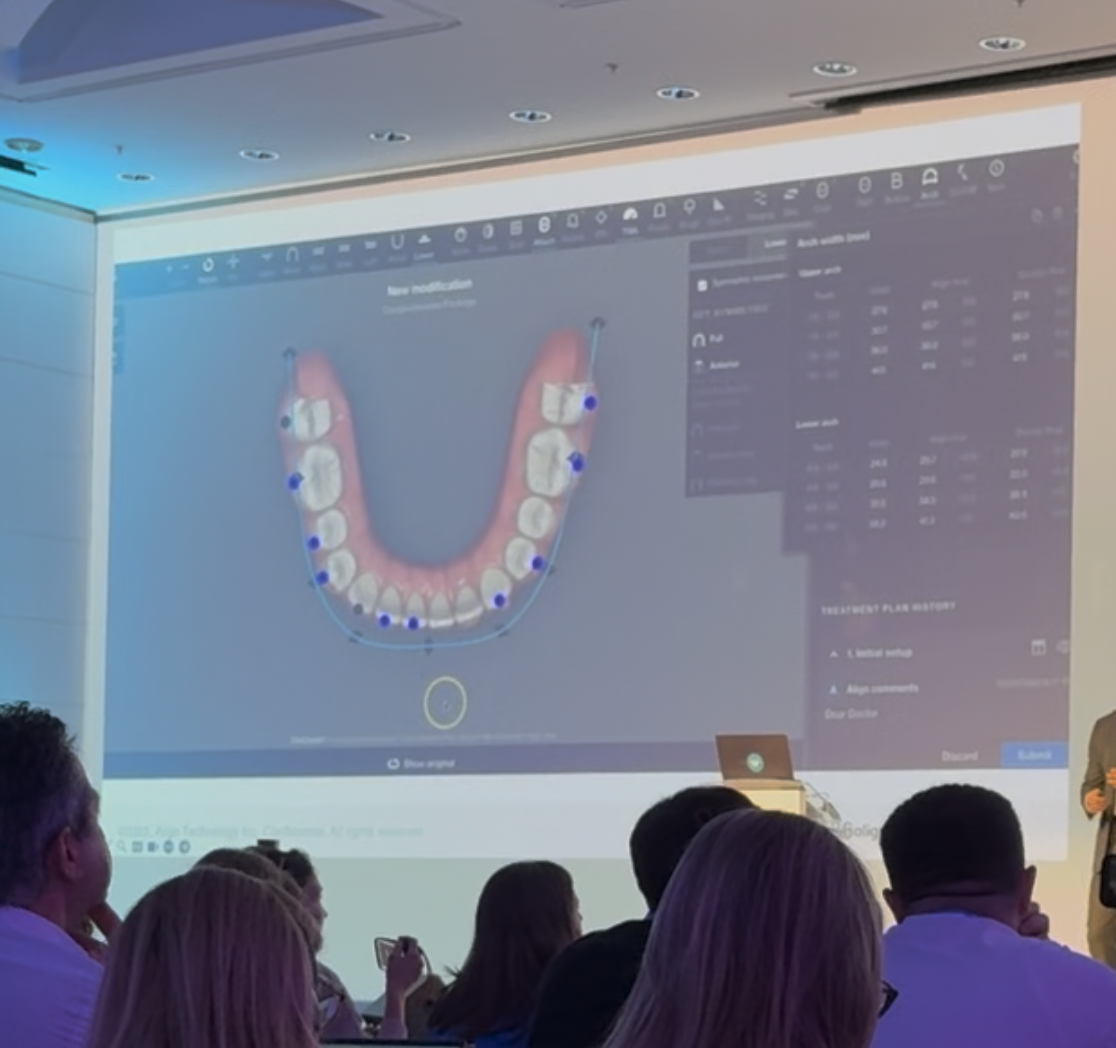
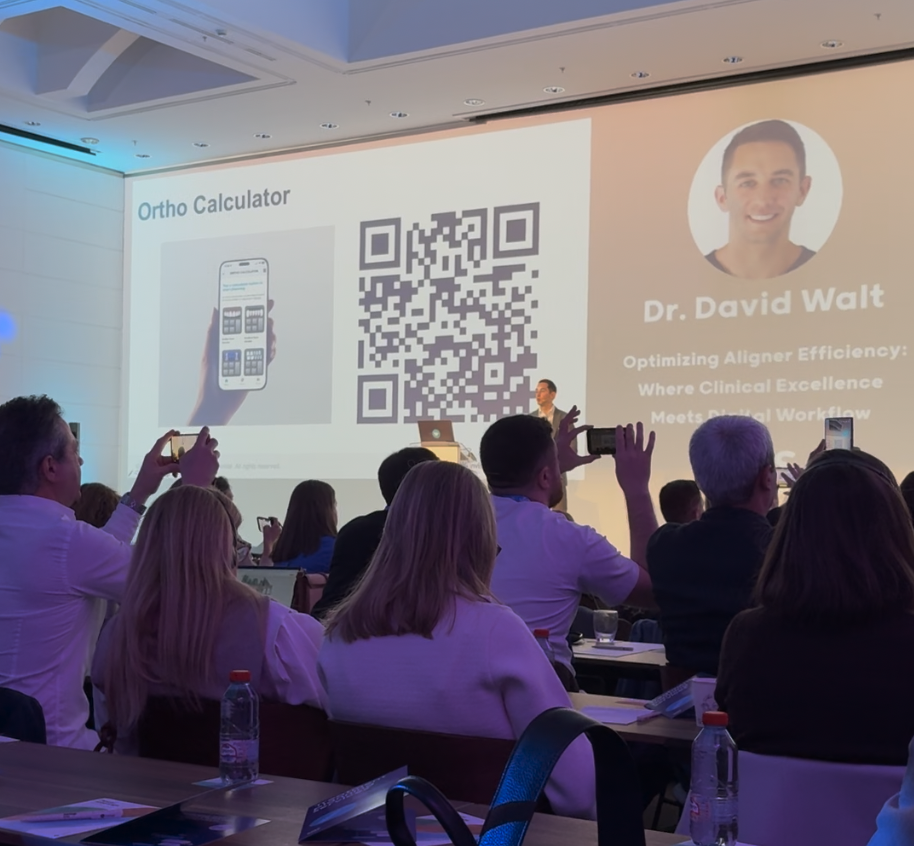
This approach was highlighted during a recent meeting in Valencia hosted by Smart Aligner Services, where Dr. Walt discussed how Ortho Calculator can support planning of the transverse dimension and arch coordination in modern orthodontics. In these cases, treatment may involve maxillary expansion while using clear aligners in the lower arch to achieve controlled dental tipping or uprighting. This allows the lower dentition to adapt to transverse changes in the upper arch, creating a coordinated and stable result. Using tools like the Expansion Calculator to quantify these relationships in advance improves both efficiency and predictability.
What This Means for Patients and Clinicians
For patients, this level of planning often results in a more efficient and predictable treatment experience, with fewer mid-course adjustments and improved long-term stability. Practices that integrate structured tools like Ortho Calculator into their workflow are better positioned to deliver these outcomes. What distinguishes clinicians like Dr. Walt, as seen through Walt Orthodontics, is not simply access to technology, but how effectively it is applied. Digital tools provide data, but it is the clinician’s interpretation that ultimately shapes the result.
For clinicians looking to adopt a more structured, data-driven approach, Ortho Calculator offers a practical platform to support treatment planning, from space analysis to transverse coordination. Dr. Walt’s integration of these principles reflects a broader shift in orthodontics. As more clinicians move toward precision-based planning, tools like Ortho Calculator are becoming part of a more consistent and predictable standard of care.